Why Is Road Safety Equipment Essential for Every Construction Project?
Construction sites are some of the most dynamic and high-risk environments. With heavy machinery, ongoing work, and constant vehicle movement, safety becomes the top priority. One of the most critical components of maintaining safety and order on-site is Road Safety Equipment. From traffic cones to warning signs, every piece of safety gear plays an essential role in preventing accidents, guiding traffic, and protecting workers as well as the public.
The Importance of Road Safety in Construction Zones
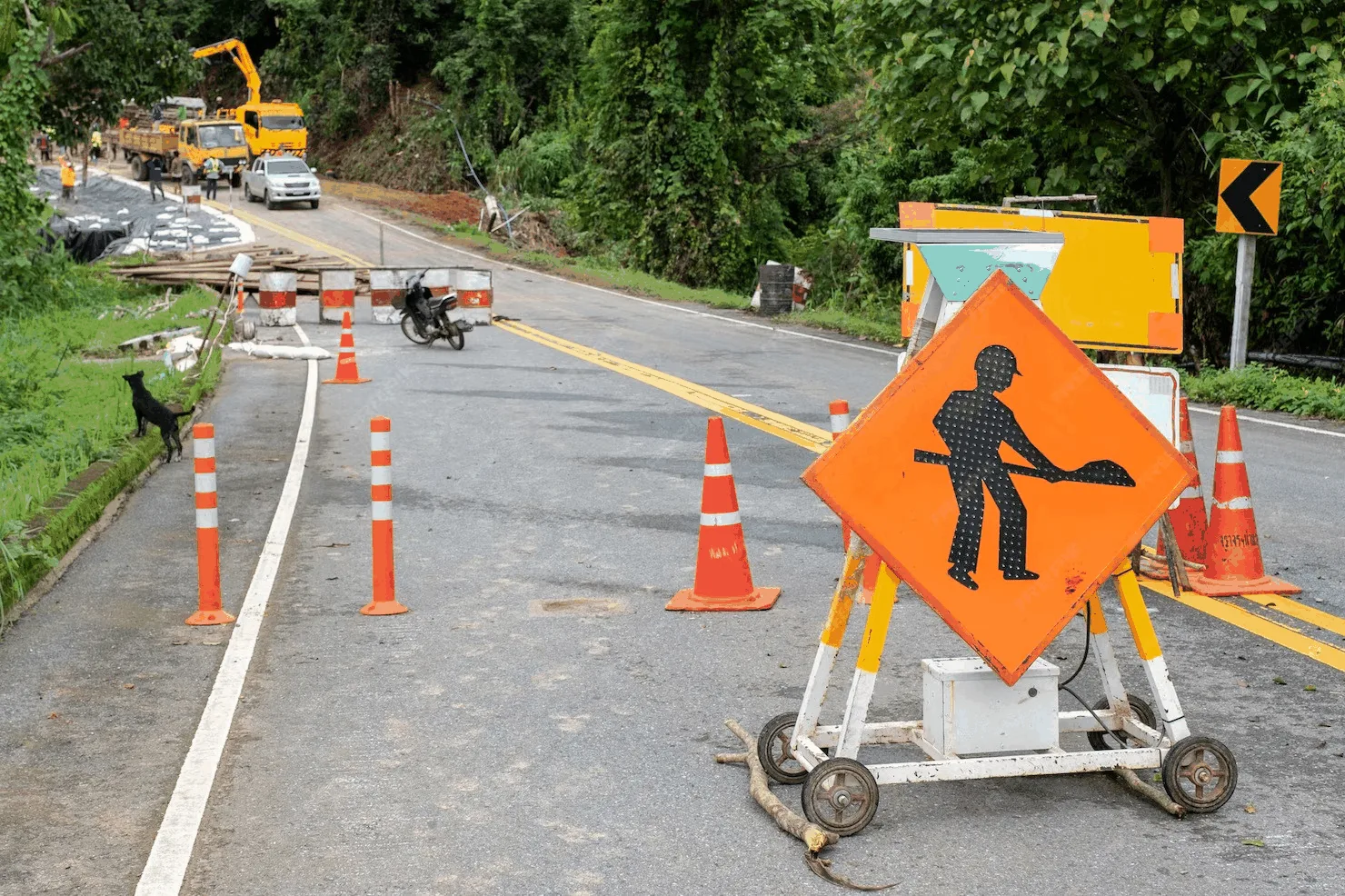
Every construction project, whether it’s a road repair, utility installation, or large-scale infrastructure development, involves potential hazards. The presence of moving vehicles and equipment demands clear guidance and visibility. This is where Road Safety Equipment becomes indispensable. It ensures that vehicles and pedestrians are properly directed, workers are visible, and risks are minimized. Without the right safety tools, confusion and chaos can occur, increasing the chances of collisions, injuries, or even fatalities. Proper planning and placement of safety devices not only protect workers but also ensure that traffic flow continues smoothly.
Types of Road Safety Equipment Used in Construction Projects
A construction site relies on a variety of safety tools to maintain order. Each piece of equipment serves a specific function, contributing to the overall safety plan.
- Traffic Cones and Barriers – These are among the most recognizable safety tools. They help in creating safe zones, marking restricted areas, and guiding vehicles around work zones.
- Warning Signs – Temporary and permanent signs communicate crucial information to drivers and pedestrians about detours, hazards, or ongoing work.
- Reflective Tapes and Markers – These enhance visibility, especially during nighttime operations or in low-light conditions.
- Safety Lights and Beacons – Flashing or solar-powered lights are vital for drawing attention to active construction zones and road diversions.
- Protective Barriers – Used to shield workers from oncoming traffic or to separate different work areas safely.
When these tools are used correctly, they create a well-structured and predictable environment where both workers and drivers understand where to go and what to avoid.
The Role of Traffic Equipments in Managing Flow
Apart from individual safety tools, a broader category known as Traffic Equipments plays a key role in managing vehicular movement. These include traffic signals, portable lights, delineators, and control systems that help regulate the flow of vehicles around construction sites. Using proper traffic control equipment ensures that vehicles move in an organized manner, reducing congestion and minimizing the risk of accidents. For contractors and site managers, investing in reliable traffic systems is not only a safety requirement but also a way to maintain productivity by preventing unnecessary delays caused by traffic jams or road closures.
Benefits of Using Road Safety Equipment on Construction Sites
- Worker Protection:
Safety equipment acts as a barrier between workers and fast-moving vehicles, reducing the likelihood of injuries. It also keeps workers aware of designated safe zones. - Public Safety:
Drivers and pedestrians benefit from clear visual cues provided by cones, barriers, and signs. These cues alert them about potential hazards ahead and guide them safely around the site. - Legal Compliance:
Most local authorities mandate the use of specific safety equipment at construction zones. Compliance ensures you meet legal standards and avoid penalties. - Traffic Management:
With well-placed cones, barriers, and temporary lights, vehicles can move smoothly even around active work zones, preventing unnecessary congestion. - Enhanced Visibility:
Reflective and brightly colored materials increase visibility during the night or in adverse weather conditions, helping drivers spot hazards well in advance.
Long-Term Impact on Construction Safety Culture
Using road safety equipment is not just a short-term precaution—it’s an investment in creating a culture of safety. When every project consistently applies high safety standards, workers become more aware of their surroundings and take proactive steps to prevent accidents. Employers that prioritize safety gain multiple advantages. They experience fewer workplace injuries, lower insurance costs, and improved employee morale. Moreover, clients and the public develop trust in companies that visibly demonstrate responsibility in safety management.
Choosing Quality Equipment for Reliable Performance
Not all safety tools are created equal. The durability and visibility of your safety equipment determine its effectiveness. When choosing road safety tools, focus on factors such as material strength, reflectivity, portability, and compliance with industry standards. High-quality Road Safety Equipment is built from robust materials like PVC or rubber that withstand harsh environmental conditions. Similarly, Traffic Equipments with solar-powered lights or reflective coatings ensure they remain functional and visible under all weather conditions. Renting can also be a smart option for short-term projects. It offers flexibility, cost-effectiveness, and access to well-maintained equipment without the need for long-term storage.
The Role of Planning in Safety Equipment Placement
Proper planning determines how effective your safety gear will be. Before beginning any project, conduct a detailed site assessment. Identify entry and exit points, high-risk zones, and pedestrian areas. Based on this evaluation, strategically position your road safety tools to maximize visibility and impact. Using professional guidance for safety planning ensures that the setup meets local regulations and provides the best possible protection for everyone involved in the project.
Conclusion Prioritizing Safety for Every Project’s Success
Every construction project—big or small—relies on a well-organized safety plan to prevent accidents and ensure smooth operations. Road Safety Equipment and Traffic Equipments form the backbone of this safety strategy, helping workers stay protected and keeping vehicles moving safely through work zones. By choosing reliable, durable, and compliant equipment, construction managers demonstrate a commitment to safety, productivity, and community well-being. In today’s fast-paced construction industry, prioritizing safety isn’t just good practice—it’s essential for building trust, maintaining efficiency, and protecting lives on and off the site.