Road safety has become a growing concern worldwide as the number of vehicles continues to rise. Congestion, poor visibility, lack of guidance, and unregulated traffic flow often lead to accidents and delays. One of the most effective ways to address these challenges is through the proper use of traffic control systems and tools. From construction zones to highways and urban streets, modern solutions play a vital role in protecting both drivers and pedestrians. We explore how different types of equipment contribute to safer roads and why investing in the right solutions is essential for any infrastructure project.

The Importance of Traffic Control Systems
Traffic control is not just about managing vehicles—it’s about ensuring smooth movement while minimizing risks. Whether it’s a busy highway, a temporary construction site, or a residential area, proper planning and equipment placement are crucial. Using Traffic Management Equipment helps authorities regulate speed, guide vehicles, and alert drivers to potential hazards. These tools include cones, barriers, delineators, warning lights, and portable signals, all designed to create a structured flow of traffic. Without such systems, roads can quickly become chaotic, increasing the likelihood of collisions and confusion. Properly deployed equipment ensures that drivers receive clear instructions, even in challenging conditions like roadwork or adverse weather.
Enhancing Visibility and Awareness
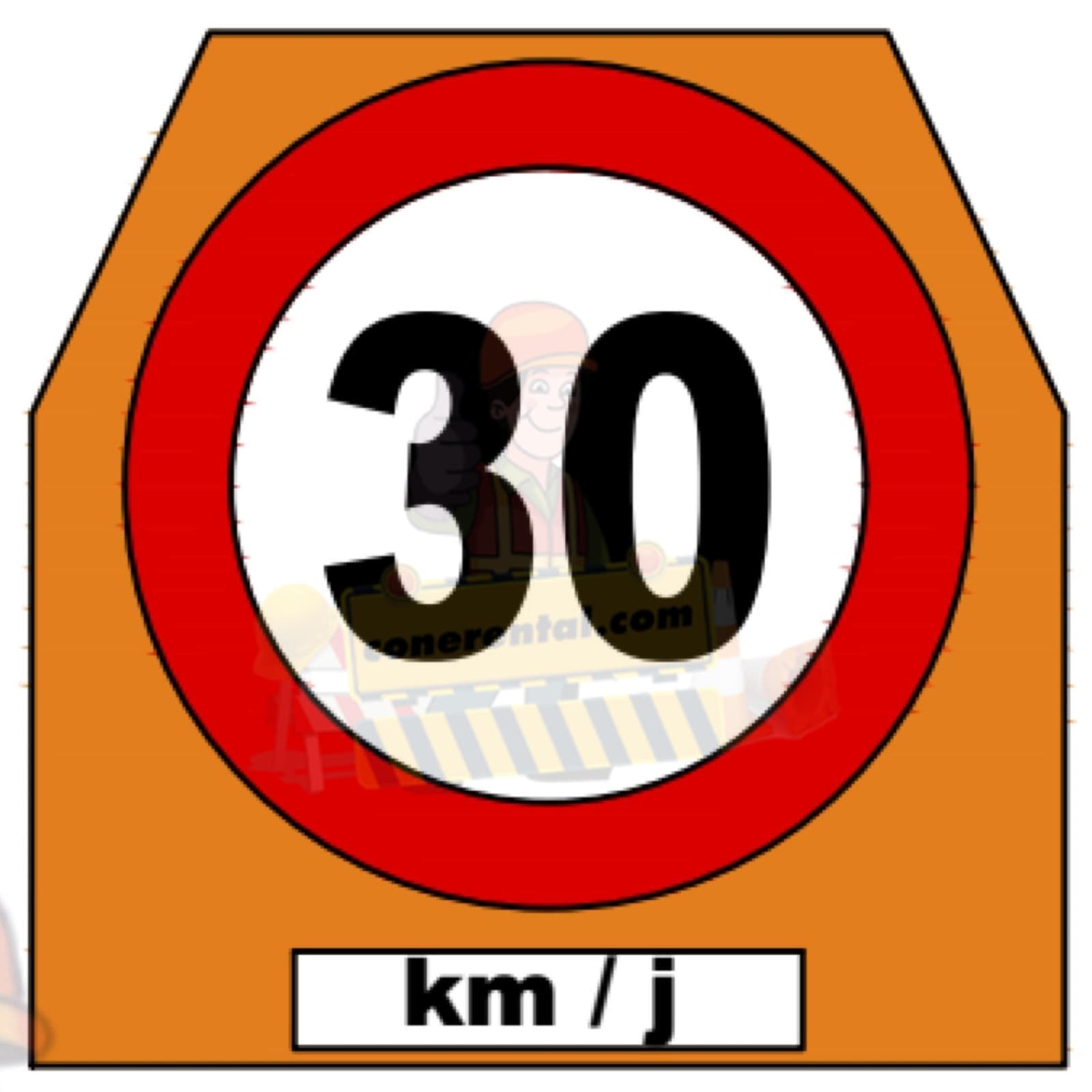
One of the primary causes of road accidents is poor visibility. Drivers often fail to notice hazards, lane changes, or roadwork zones in time to react safely. This is where visual guidance tools become essential. A well-designed Highway Signboard provides critical information such as speed limits, warnings, and directional guidance. These signboards are strategically placed to ensure maximum visibility, even from a distance. Reflective materials, bold lettering, and standardized symbols make these signboards easy to understand for all drivers, regardless of language barriers. At night or during low-light conditions, reflective surfaces ensure that drivers can still see and respond appropriately. By improving awareness, signboards significantly reduce sudden braking, lane switching, and other risky behaviors.
Managing Construction and Work Zones
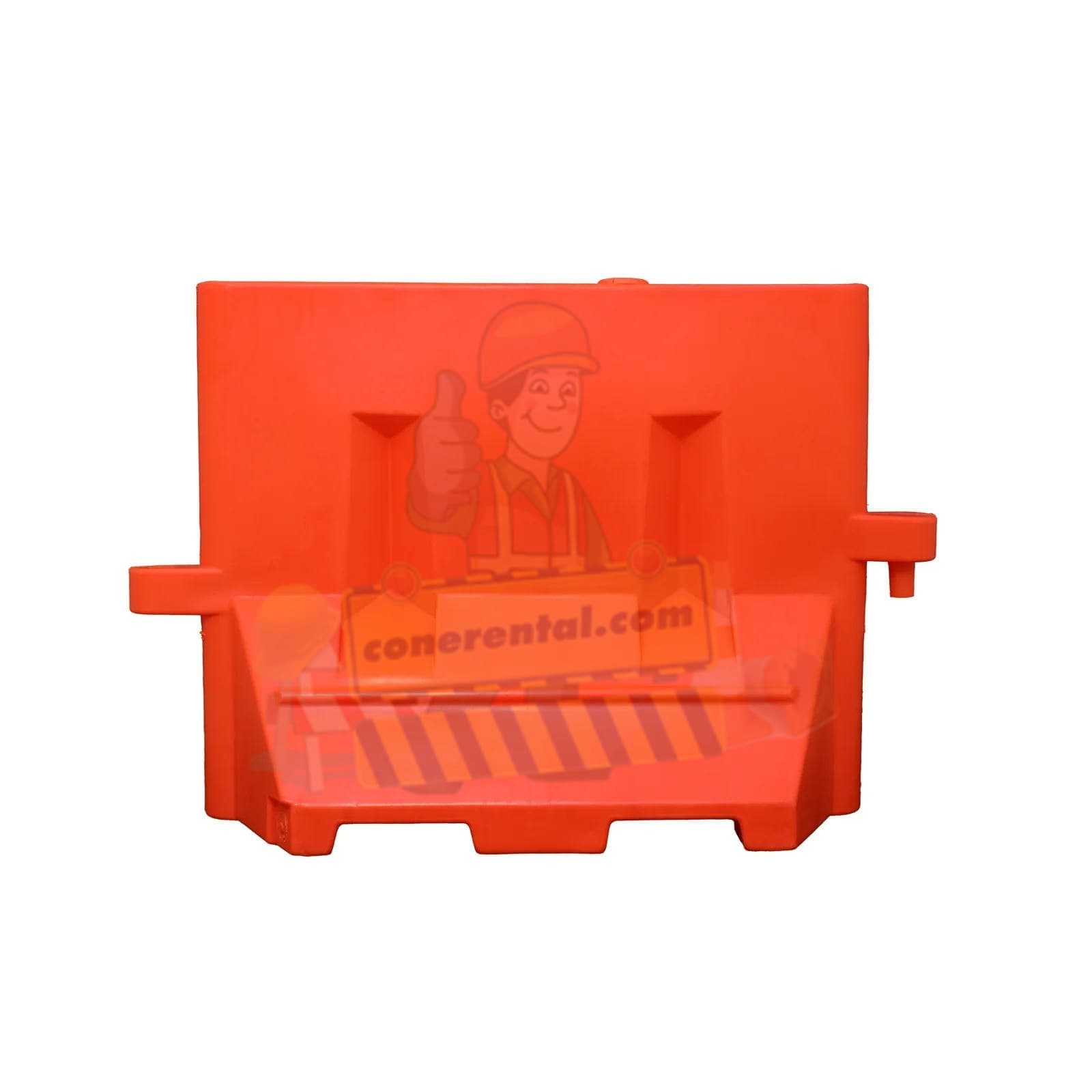
Construction zones are among the most dangerous areas on the road. Workers, machinery, and changing road layouts create a high-risk environment for accidents. Temporary traffic control measures are essential to maintain safety in these zones. Using Traffic Management Equipment in construction areas helps clearly define lanes, restrict access to hazardous zones, and guide vehicles safely through detours. Cones and barriers create physical boundaries, while warning lights and signs alert drivers well in advance. Properly managed work zones not only protect workers but also prevent confusion among drivers. This reduces the chances of sudden stops or collisions, ensuring smoother traffic flow even during ongoing projects.
Standardization and Compliance
Consistency in traffic signage and equipment is key to effective communication. Drivers rely on familiar symbols and formats to make quick decisions on the road. This is why regulatory bodies enforce strict standards for traffic control devices. The use of Signboard JKR ensures compliance with established guidelines and standards. These signboards are designed according to official specifications, ensuring uniformity across different regions and road types. Standardized signage eliminates ambiguity and helps drivers instantly recognize instructions, warnings, and restrictions. This is especially important on highways, where high speeds leave little room for hesitation or misinterpretation.
Reducing Accidents and Fatalities
The ultimate goal of traffic management solutions is to reduce accidents and save lives. By providing clear guidance and structured flow, these systems minimize human error—a leading cause of road incidents. For example, properly placed Highway Signboard units can warn drivers about sharp turns, upcoming intersections, or changes in road conditions. This allows them to adjust their speed and driving behavior accordingly. Similarly, barriers and delineators prevent vehicles from entering restricted or dangerous areas, reducing the risk of collisions. Even simple tools like reflective cones can make a significant difference in preventing nighttime accidents.
Improving Traffic Flow and Reducing Congestion
Traffic jams are not just inconvenient—they can also increase the risk of accidents. Stop-and-go traffic, sudden lane changes, and driver frustration often lead to unsafe situations. By using Traffic Management Equipment effectively, authorities can streamline vehicle movement and reduce bottlenecks. Proper lane markings, directional signs, and temporary signals help maintain a steady flow, even in high-traffic areas. Efficient traffic flow also reduces travel time, fuel consumption, and emissions, making it beneficial not only for safety but also for the environment.
Supporting Emergency Situations
In emergencies such as accidents, natural disasters, or road closures, quick and effective traffic control is critical. Temporary systems can be deployed rapidly to redirect vehicles and prevent further incidents. Tools like portable signboards, cones, and barriers help create safe zones and guide emergency responders. The use of Signboard JKR ensures that even temporary setups maintain clarity and consistency. This quick response capability is essential for minimizing disruption and ensuring public safety during unexpected events.
Protecting Pedestrians and Vulnerable Road Users
Road safety is not just about vehicles—pedestrians, cyclists, and other vulnerable users also need protection. Proper signage and equipment help create safer spaces for everyone. Crosswalk indicators, warning signs, and barriers guide pedestrians and alert drivers to their presence. A strategically placed highway signboard can warn drivers about school zones, pedestrian crossings, or areas with high foot traffic. By clearly separating vehicle and pedestrian zones, traffic management systems reduce the risk of accidents involving vulnerable groups.
Long-Term Benefits of Traffic Management Solutions
Investing in high-quality traffic control equipment offers long-term advantages. Beyond immediate safety improvements, these systems contribute to better infrastructure management and planning. Durable materials and standardized designs ensure that equipment remains effective over time, even in harsh weather conditions. Additionally, consistent use of traffic management equipment helps build driver familiarity, leading to better compliance and safer behavior. Over time, this results in fewer accidents, lower maintenance costs, and improved public confidence in road systems.
Conclusion
Road safety is a shared responsibility that requires careful planning, proper tools, and consistent implementation. From guiding drivers to protecting workers and pedestrians, traffic control systems play a crucial role in creating safer roads. The use of traffic management equipment, along with standardized solutions like highway signboards and JKR signboards, ensures clear communication and effective traffic flow in all conditions. As infrastructure continues to expand, the importance of these systems will only grow. By prioritizing safety and investing in reliable solutions, we can significantly reduce accidents and create a more secure environment for everyone on the road.