Most contractors meet a Traffic Management Plan for the first time when someone asks for one and the job cannot start without it. This is a short, practical explanation of what a TMP is, when you need one, and where they usually go wrong.
What a Traffic Management Plan actually is
A Traffic Management Plan, or TMP, is a document that shows how traffic will move safely past, through or around your work area. It sets out where the work zone sits, how vehicles and pedestrians are guided around it, what signage and barriers are used, where they are placed, and who is responsible on site.
It is not a formality. The plan is what a road authority, a council or a client reads to decide whether your work zone is safe enough to approve. It is also the document your own team works from at 6am when the equipment is going out.
When you need one
You generally need a TMP whenever work affects a public road. In practice that means:
- Any lane closure or partial road closure
- Utility work in or beside a carriageway
- Construction access where lorries cross or join a public road
- Full road closures for events, runs and processions
- Work near junctions, bends or anywhere sight lines are limited
Approval routes differ. Work on federal and state roads normally goes through JKR, while local roads sit with the district council. Road closures for events usually involve the police as well as the council. The right route depends on who owns the road, which is the first thing to establish rather than the last.
What goes into a plan
A workable TMP is mostly a drawing plus a short method statement. The drawing shows the layout to scale: the work area, the taper that moves traffic across, the buffer between traffic and workers, and the signage in advance of all of it. The method statement covers timing, the sequence of setting up and taking down, and who is in charge.
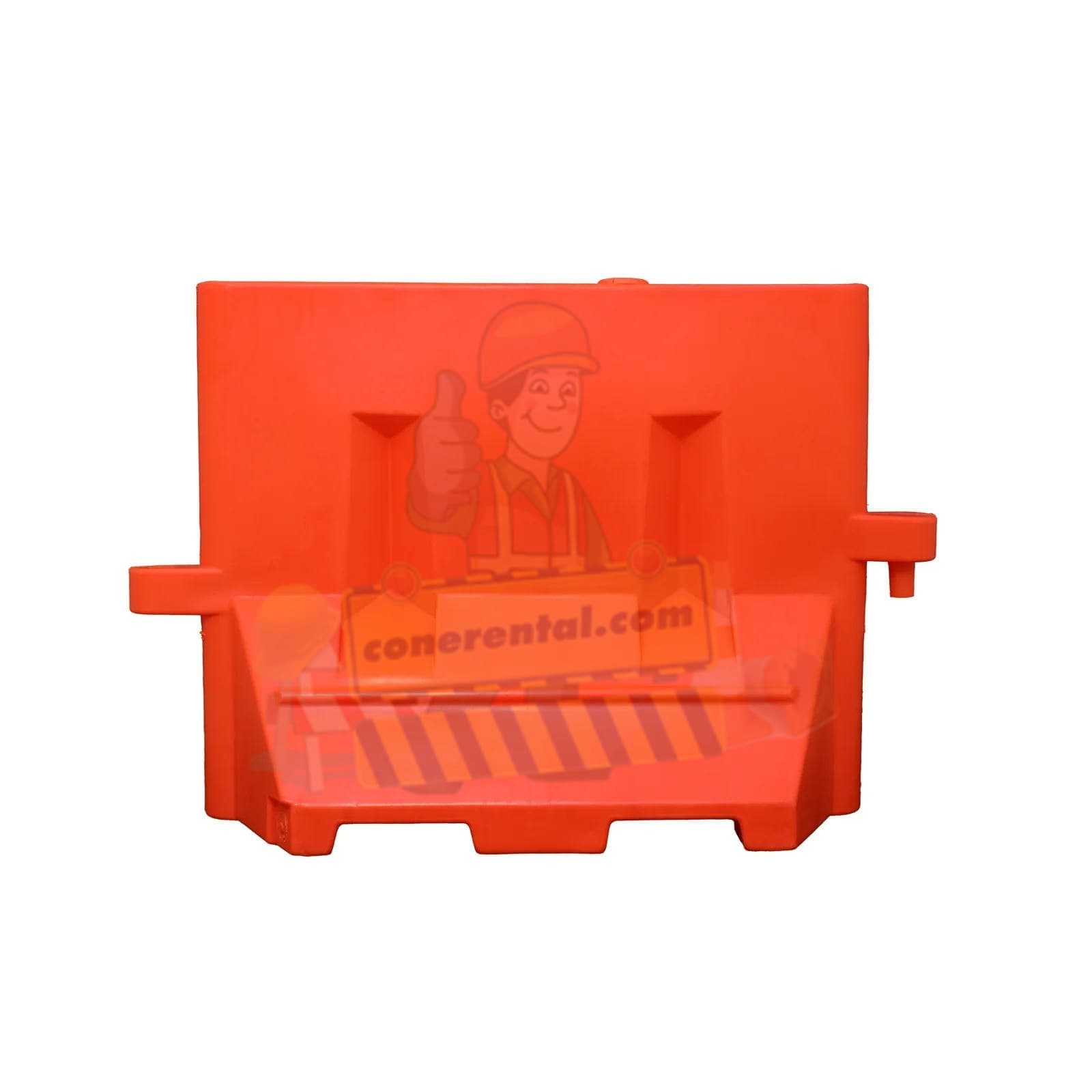
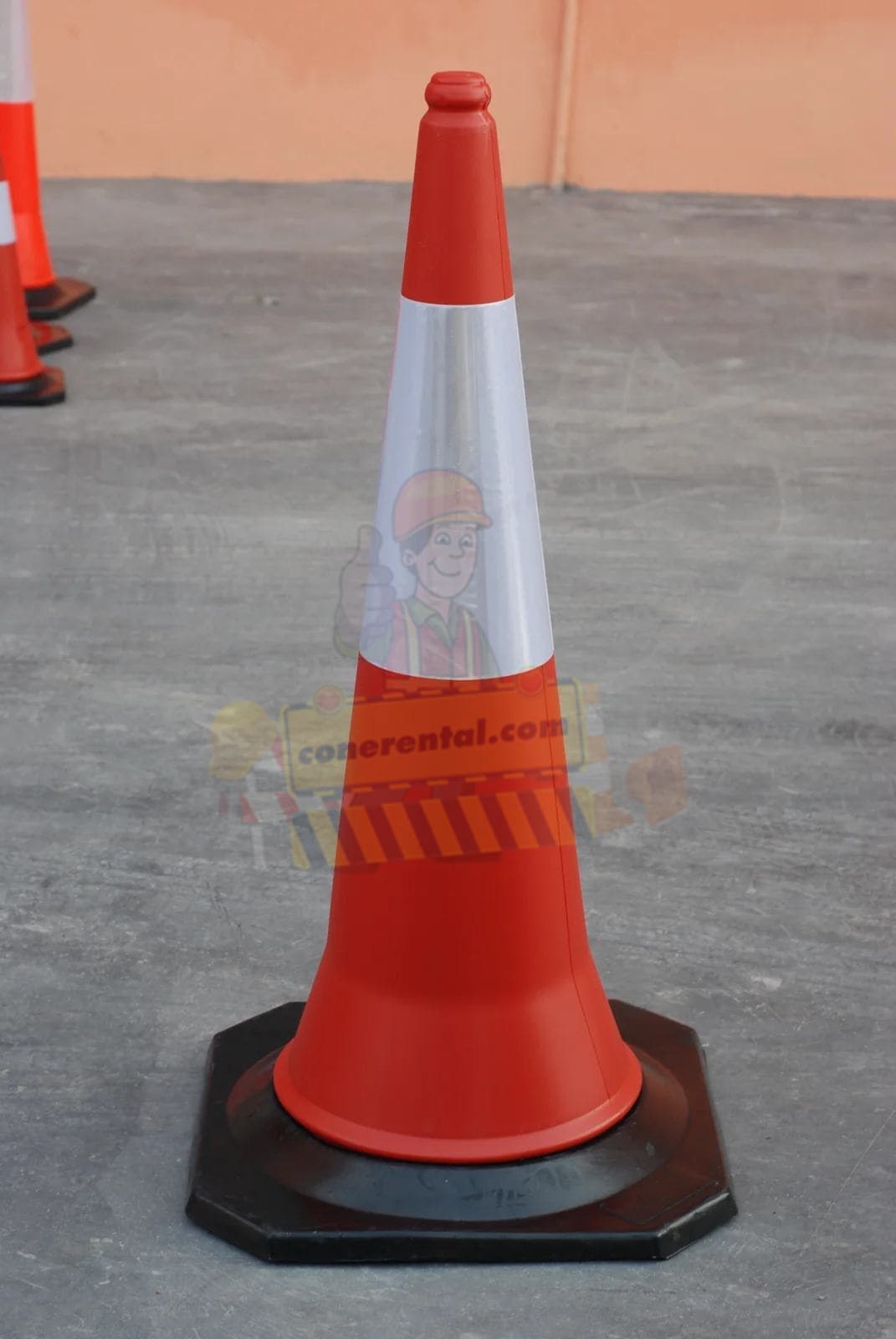
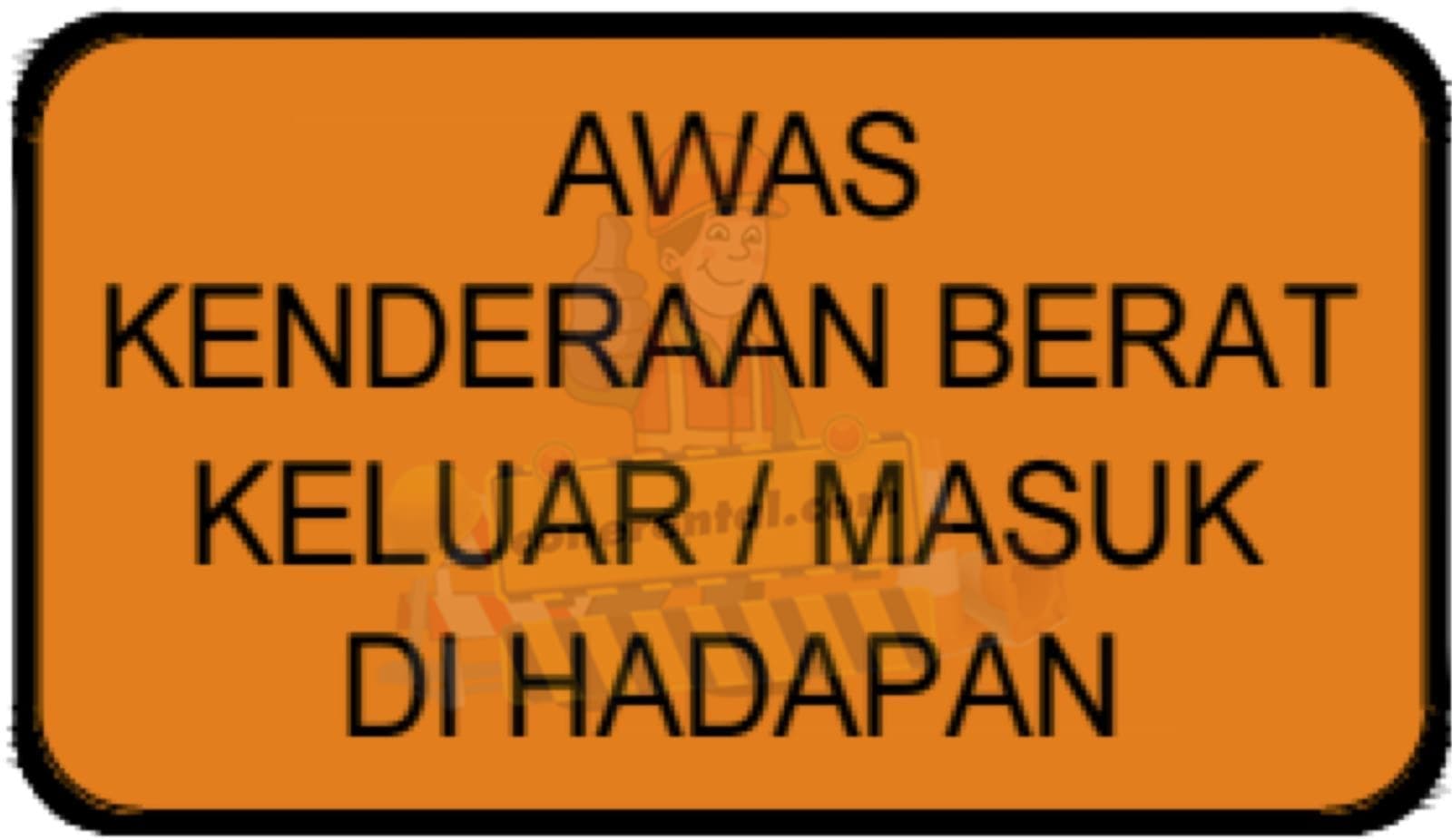
The equipment schedule matters more than people expect. A plan that specifies signage, cones and barriers you cannot actually get hold of is not a plan, it is a wish. Advance warning signage, tapers and the closure itself all have to be available on the day, in the quantity the drawing shows.
Five mistakes worth avoiding
Starting the plan too late. Approval takes time, and a plan submitted the week before is a plan that delays your start date. Begin it when the programme is set, not when the equipment is booked.
Tapers that are too short. The taper is the part that moves traffic out of the closed lane. Shortening it because the site is tight is the single most common compromise, and it is the one that puts workers closest to moving vehicles.
Advance warning placed too near the work. Drivers need distance to read a sign, understand it and react. Signage bunched at the work zone gives them none of that, particularly at higher speeds.
No plan for taking it down. Removal is when the site is tired, the light is going and everyone wants to leave. It deserves the same sequence as setting up, in reverse.
Ignoring pedestrians. A closure that handles vehicles perfectly and pushes people on foot into a live lane has not solved the problem, it has moved it.
Getting the plan and the equipment to agree
The gap that causes most trouble on the day is between the drawing and the yard. A plan calling for a particular signboard is only useful if that signboard exists, is available for your dates, and reaches site before the closure starts.
This is why we prepare the TMP ourselves for event work, at no charge as part of the rental package, rather than receiving one and hoping we can fill it. We know what is in the yard, so the plan and the equipment schedule are written together. For road and construction work, tell us the scope and we will advise on what the plan needs and what it takes to deliver it.
Where to start
If you have a job coming up and are not sure what is needed, the useful first questions are: who owns the road, what are the dates, and how much of the carriageway do you need. With those three answers a plan can be drafted quickly, and the equipment can be reserved against real dates rather than a guess.
Tell us what the job involves and we will work out what the plan needs and what it will take to deliver it.